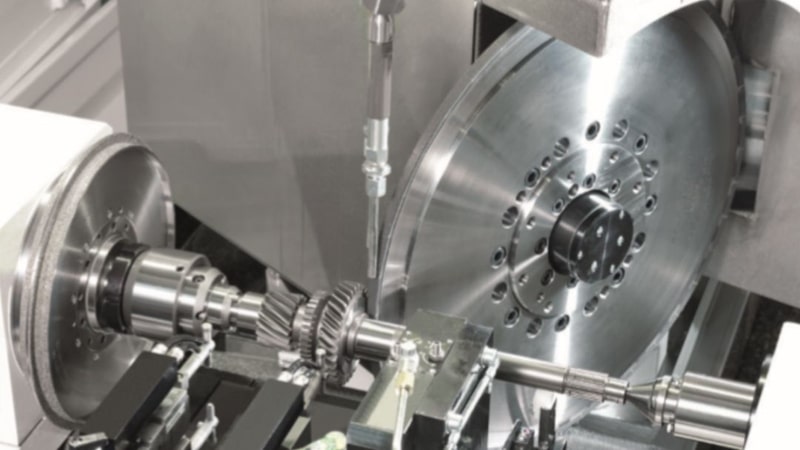
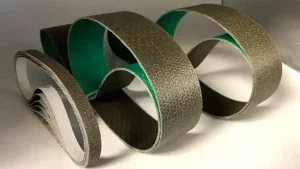
Grinding scratches have always been a problem for many CBN or diamond grindingwheel users during the process. Grinding scratch not only affects the surface quality of the workpiece, but may also reduces its service life and performance. Faced with this difficult problem, many workers feel helpless and do not know where to start to solve it. This paper will delve into the causes of scratch in grinding wheels and provide you with a practical solution to help you solve this problem and improve processing quality.
There are many causes that may lead to grinding scratches, and the following are the main factors:
There Are Many Causes That May Lead To Grinding Scratches, And The Following Are The Main Factors:
Improper Selection Of Grinding Wheel
Metal Bond Diamond Wheels
Resin Bond Diamond Wheels
Vitrified Diamond Wheels
Electroplated Diamond Wheels
Metal CBN Wheels
Resin BCBN Wheels
CBN Diamond Wheels
Electroplated CBN Wheels
The abrasive type of the grinding wheel is one of the key factors affecting its processing performance and surface quality. If the selected abrasive type does not match the workpiece material or is not suitable for specific processing conditions, it may lead to grinding scratches.
High Brittleness Of Grinding Wheel Abrasive
When the abrasive of the grinding wheel is brittle, the abrasive particles are easily broken during the grinding process, forming irregular particles. These particles may generate additional cutting force when in contact with the workpiece, leaving grinding scratches or marks on the surface of the workpiece. This type of scratch not only affects the appearance quality of the workpiece, but may also damage its performance and life.
Low or Uneven Hardness Of Grinding Wheel:
When grinding wheel with low hardness grinding, the abrasive particles easily fall off, and the grinding scratches are left on the surface of the workpiece. Uneven hardness of the grinding wheel can also cause abrasive particles to fall off, increasing the risk of scratches.
Improper Selection Of Grain Size
The improper selection of grain size can directly affect the cutting force and the working state of the grinding wheel during the grinding process. When the grain(diamond or CBN) size is too large, the abrasive grains may generate excessive cutting force, resulting in deep scratches on the surface of the workpiece. When the grain size is too small, although it can improve the surface smoothness, it may increase the risk of wheel blockage, affect the grinding effect, and indirectly increase the scratches possibility of workpiece. Therefore, selecting the correct grain size of the grinding wheel is crucial for ensuring the quality of the grinding process and avoiding scratches on the workpiece.
Clamping Of Grinding Wheel
If the grinding wheel is not tightly clamped or the shaft is worn, the grinding wheel may vibrate or jump during the grinding process, thereby increasing the risk of scratches.
Unreasonable Grinding Parameter Setting
If the grinding parameter setting including cutting speed, feed rate, and grinding depth during the grinding process is not correct, it may increase the friction between the grinding wheel and workpiece, leading to scratches.
Insufficient Or Unclean Coolant:
The main reason for scratches caused by insufficient coolant is that the coolant fails to fully remove the heat, resulting in an increase in the temperature of the workpiece and grinding wheel. The hardness of the workpiece material decreases at high temperature, making it scratches. Meanwhile, overheating may also cause deformation or damage to the grinding wheel, resulting in uneven or protruding distribution of abrasive particles, further increasing the risk of grinding scratches. Therefore, sufficient supply of coolant is crucial to avoid scratches.
When the coolant is not clean, it may contain impurities, particles, or sediment. These pollutants may be carried between the workpiece and the grinding wheel along with the coolant during the grinding process, resulting in scratches or abrasions on the surface of the workpiece. These impurities may be generated by coolant aging, contamination, or improper maintenance, and they can disrupt the stability and smoothness of the grinding process, leading to surface damages of the workpiece. Therefore, keeping the coolant clean is crucial to avoid scratching the workpiece.
Poor Surface Condition Of The Workpiece:
When the surface condition of the workpiece is poor, such as the presence of oil stains, oxide layers, rust, or other pollutants, these impurities will come into contact with the grinding wheel during the grinding process, causing an increase in the friction coefficient between the grinding wheel and the workpiece, thereby increasing the risk of grinding scratches. In addition, uneven surfaces can also cause uneven cutting forces on the grinding wheel during the machining process, resulting in grinding scratches on the workpiece. Therefore, keeping the surface of the workpiece clean and flat is the key to avoiding scratch problem.
Too High Surface Roughness Of Previous Process
If the grinding amount of the previous process is less, it may leave coarser grinding marks. These marks may become a source of scratches in the next process, increasing the risk of scratches.
Scratch is a common quality issue in the grinding process of grinding wheels. It can effectively reduce the scratch by these measures such as selecting high quality grinding wheel, optimizing grinding parameters, pre-treating the workpiece surface, and strengthening cooling and lubrication. In practical operation, targeted solutions should be developed based on specific situations to continuously improve grinding quality. At the same time, strengthen the monitoring and detection of the grinding process, timely detect and handle quality problems such as scratches, and ensure the machining quality and performance of the workpiece.